Sunday, 2 September 2012

What makes great photography

Wall Street, Paul Strand 1915

My reading - This image shows workers heading to or from work. Some carry their tools. The Olga shadows show that it is either late or very early. The people are made tiny in their environment by the size of the rectangular recesses. This shows the degree to which humans are minimised in an environment where buildings and businesses rule.

Val Williams - Photography as a social educator. Image explores a society in flux confronting and embracing modernity. Black rectangles recesses impart a sense of foreboding.


5 years after its capture in 1920 the location of the picture was the site of a bombing by Italian anarchists prompting the question as to whether the forbidding feel of the image drove the bombers to choose it as a target.


The City - William Willard Dyke


San Paolo, Brazil Rene Burri

What makes great photography - 80 masterpieces explained - Val Williams

On a free afternoon whilst visiting the London Paralypics, Rachael dropped into The Photographers Gallery. Explaining my Art predicament he recommended she picked up a copy of this book. I have decided to work through it and give my reading of the images before I read the supporting text.

For each of the images there are some other similar photographs which I will also look up.

The first is Textile Mill, USA by Lewis Hine.


My reading - This is a photograph of a young girl working at a loom in the 1920's. She is small and rather dwarfed by the massive weaving equipment. There are no safety guards or protective clothing and it makes me feel nervous that she is working with loose clothes and hair near dangerous equipment. She appears to be working alone except for the woman in the background who might be her supervisor. This image I think was taken to show the conditions under which children work.

Val Williams - This image is a part of a series intended to to highlight to the public the working conditions of children with a view to bringing about change regarding child labour. I missed the sense of scale imparted by the camera position relative to the subject. By making her deliberately a small portion of the image her scale compared to the machinery is emphasised. The height of the camera cleverly aligns the girls head with the top of the machinery.

Additional recommended images

Clearly there are child labour is alive and kicking.

Earing money for basics was alive and kicking in the the 40's too. See my fathers book describing how he made money as a child collecting glass jars from amongst the horses heads at Bristol rubbish dumps.

http://www.amazon.co.uk/Penny-a-Jar-ebook/dp/B005J86KNO

Textile factory, Moscow, Soviet Union, by Henri Cartier-Bresson, 1954

Textile factory, Moscow, Soviet Union, by Henri Cartier-Bresson, 1954.

Rubbish dump Smokey Mountain Manila, Stuart Franklin


Child with star mask, El Savador, Larry Towell

El Salvador. San Salvador © 1992 Larry Towell/Magnum Photos


Photography 1 - Light - Project The intensity of light - Exercise Measuring exposure

Part 2


 -1 stop

 -0.3 stop

 Metered

 +0.3 stop

 +1 stop

 -1 stop

 -0.3 stop

 Metered

 +0.3 stop

 +1 stop

 -1 stop

 -0.3 stop

 Metered

 +0.3 stop

 +1 stop

 -1 stop

 -0.3 stop

 Metered

 +0.3

 +1 stop

-1 stop

-0.1 stop

 Metered

 +0.3 stop

 +1 stop

 -1 stop

 -0.3 stop

 Metered

 +0.3 stop

 +1 stop


Monday, 27 August 2012

Photography 1 - Light - Project The intensity of light - Exercise Measuring exposure

Part 1 - Deliberately Darker or Lighter

 Metered

 +1 stop

+2 stops

The Metered exposure accurately exposes for the street scene beyond the bridge. It requires an increase of 2 stops to give an acceptable exposure for the sign and area under the bridge. However, this completely over exposes the area beyond the bridge. The single stop increase provides probably the best balance.

 Metered

 -1 stop

Reducing the exposure by 1 stop increases the depth of the colours.

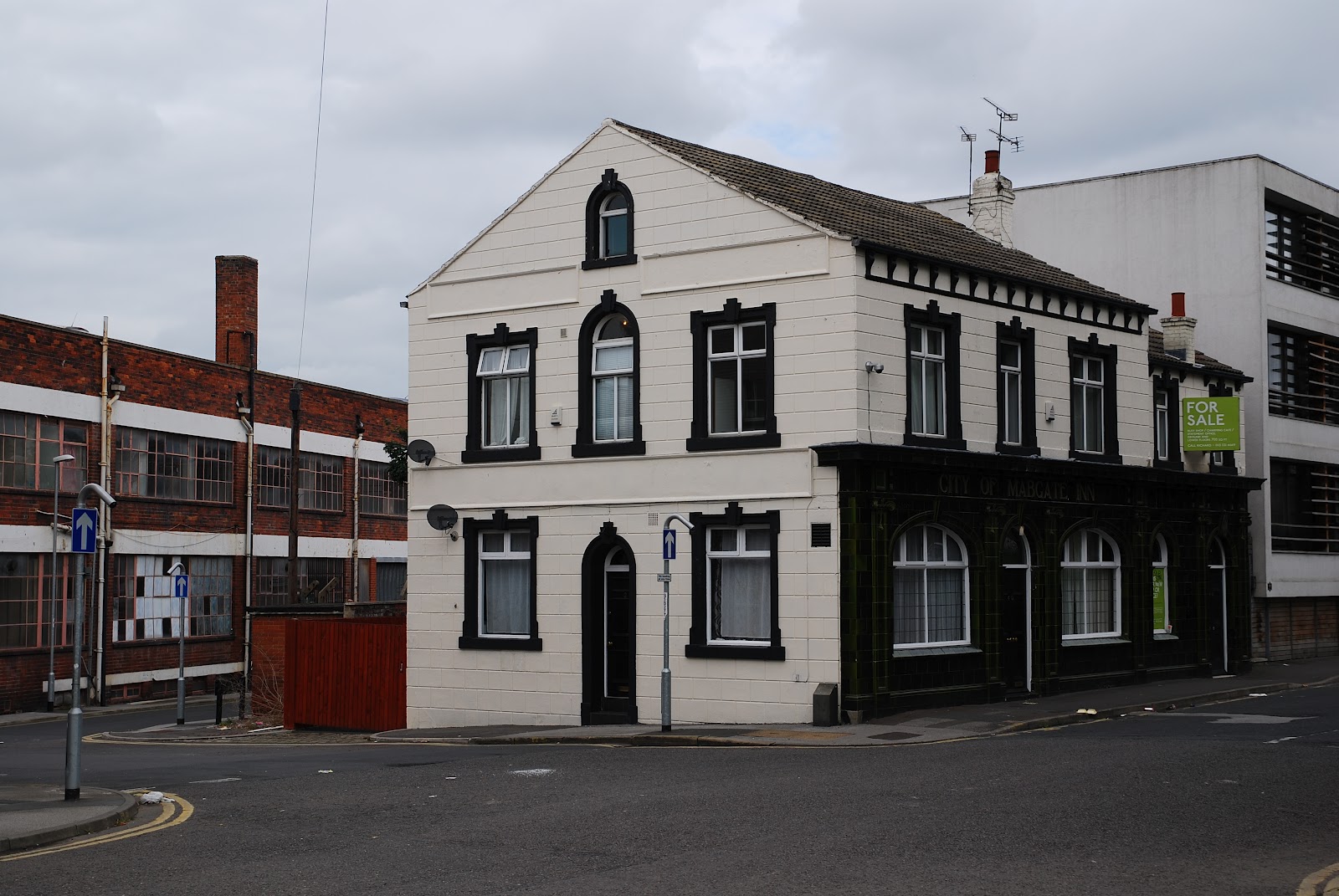
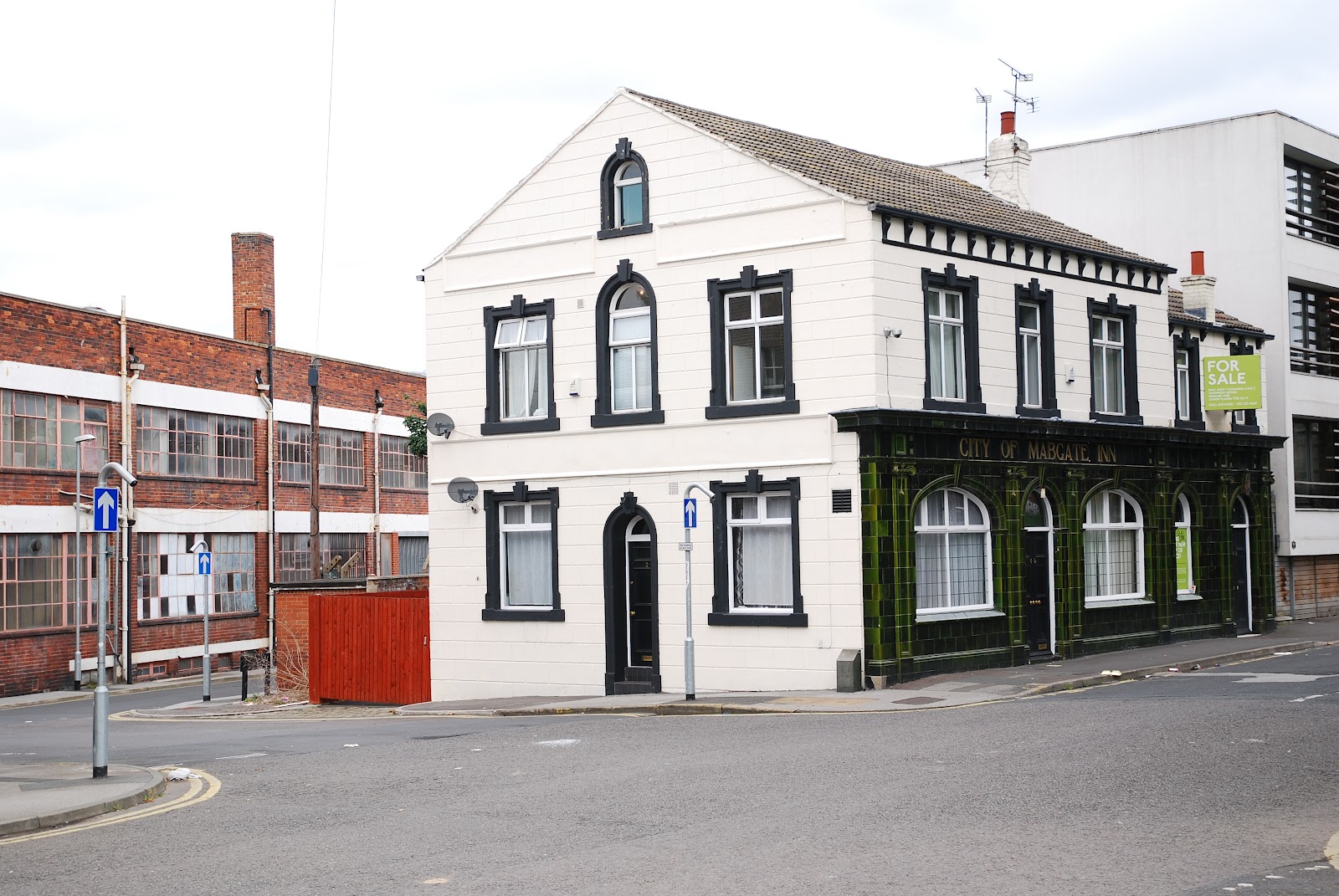
 -1 stop

 Metered

 +1 stop

A slight over exposure is required if the name of the pub needs to be read. It may be possible to reduce this over exposure without losing the readability of the signage.

 Metered

 +1 stop

Exposure of an additional stop slightly burns out the shutters but brings out the details in the signage that is otherwise indistinguishable.

 -1 stop

 Metered

Exposure of minus 1 stop returns the detail to what otherwise would be a washed out image.

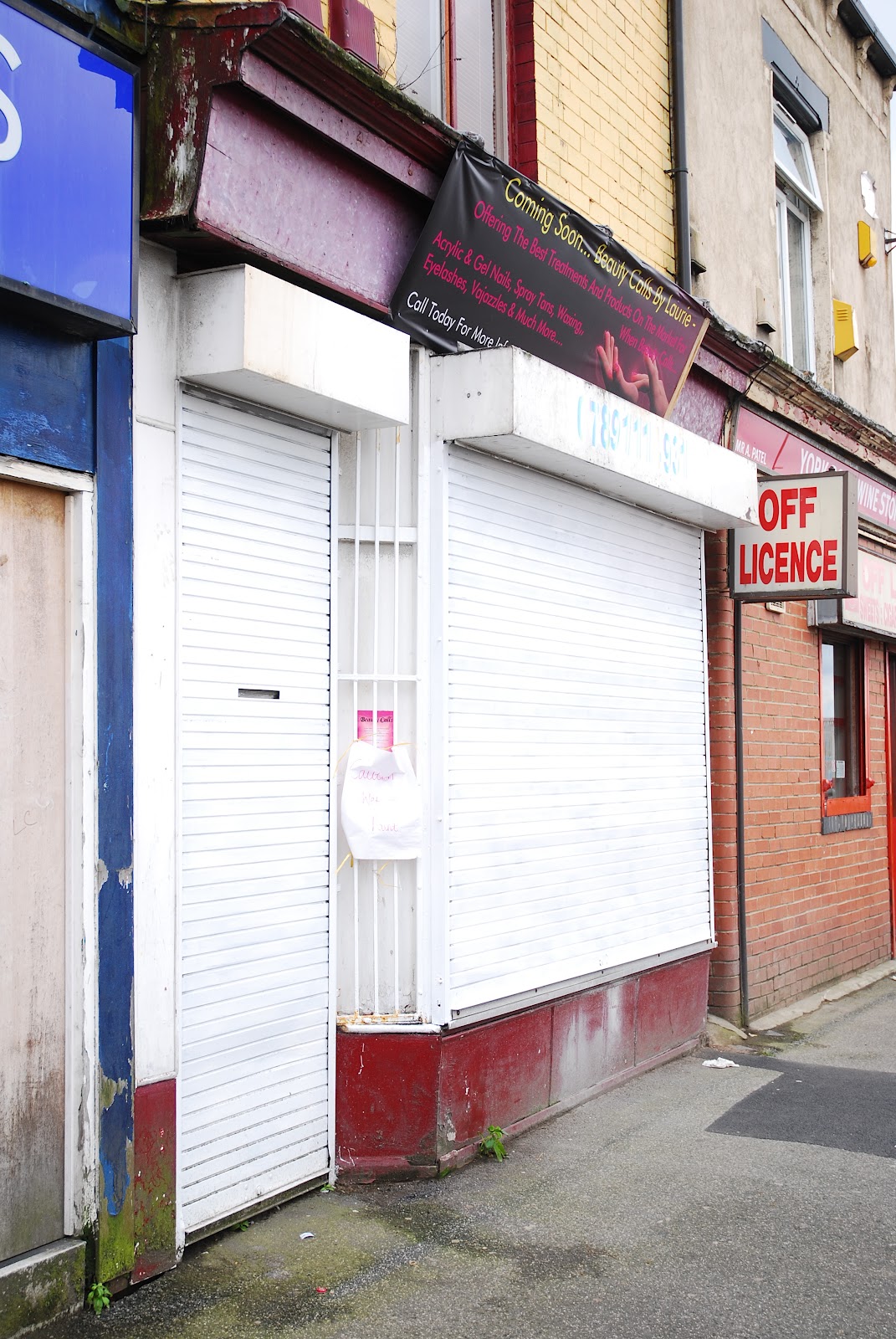
 Metered

 +1

 -1

The image at minus one stop exposes the principle to its best advantage.