Tuesday, 15 May 2012

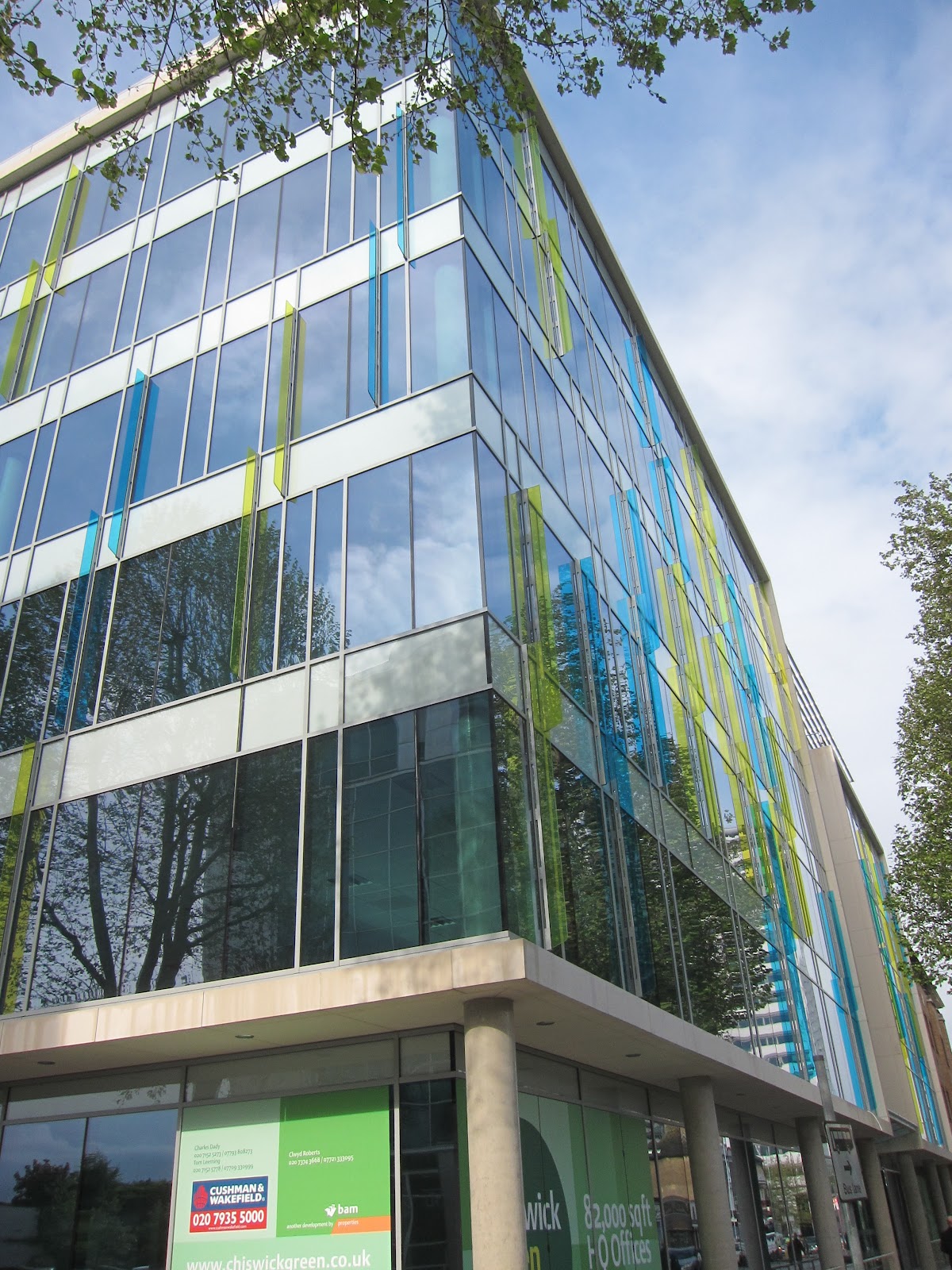
Photography 1 - Elements of design - Project Lines - Diagonals


Anglepoise


Awning


Brolly


Car profile


Flagpole


Leaning bikes


Pillar coping


Wall coping

Photography 1 - Elements of design - Project Lines - Exercise Horizontal and vertical lines


Horizontal clothes rail


Horizontal train


Horizontal floors


Horizontal roof beams


Horizontal canopy


Horizontal steps


Vertical cistern


Vertical pillars


Vertical commuters


Vertical pilling

Monday, 14 May 2012

Observation

I was able to read a good deal more than usual due to some poor soul throwing himself in front of an East Coast train South of Peterborough. . . .

This evening my inner engineer was in apoplexy. I was reading the summing up in chapter 'thinking about photography' in the  Photography - a Critical Introduction (Liz Wells, Fourth Edition) when I started the section on the three principle debates. The first 'debate' is essentially about who first invented fixing an image. At this point Mr Engineer pipes up with "debate? What to you mean debate? There's no need for a debate. Get together a team of researchers, look at the facts, and agree an answer! One less debate for students to worry about. The first recorded fixed image was created by. . . . Fred! Fred invented chemical photography. No more debate! By the way. Ohm invented Ohms law. Volts were invented by Voltaire and Current was invented Charlie Raisin's cousin"

Down boy! Stop interfering! My apologies.

Sunday, 13 May 2012

Photography 1 - Elements of design - Project Points - Exercise Multiple points - further attempts

Perhaps flowers aren't my strength. Here is a go with some buttons....


How about some books?


Photography 1 - Elements of design - Project Points - Exercise Multiple points


These images record the development of my 'still life' to demonstrate the positioning of multiple points. Unhappy with this layout I reverted to engineering thought and looked at more geometric arrangements.


None make a pleasing arrangement but I do understand the principles of how the locations of points in an image can create aesthetically pleasing (or displeasing) effects.

I need to work on still life arrangement. Note to self - Research and practice.

Photography 1 - Elements of design - Project Points - Exercise Positioning a point


In this image of the lake there are 2 points. The first is the fountain and the second, the duck group feeding on a slice of bread.


In this image of young Moor Hens, a point to the bottom left appears to be a lost egg (its not).


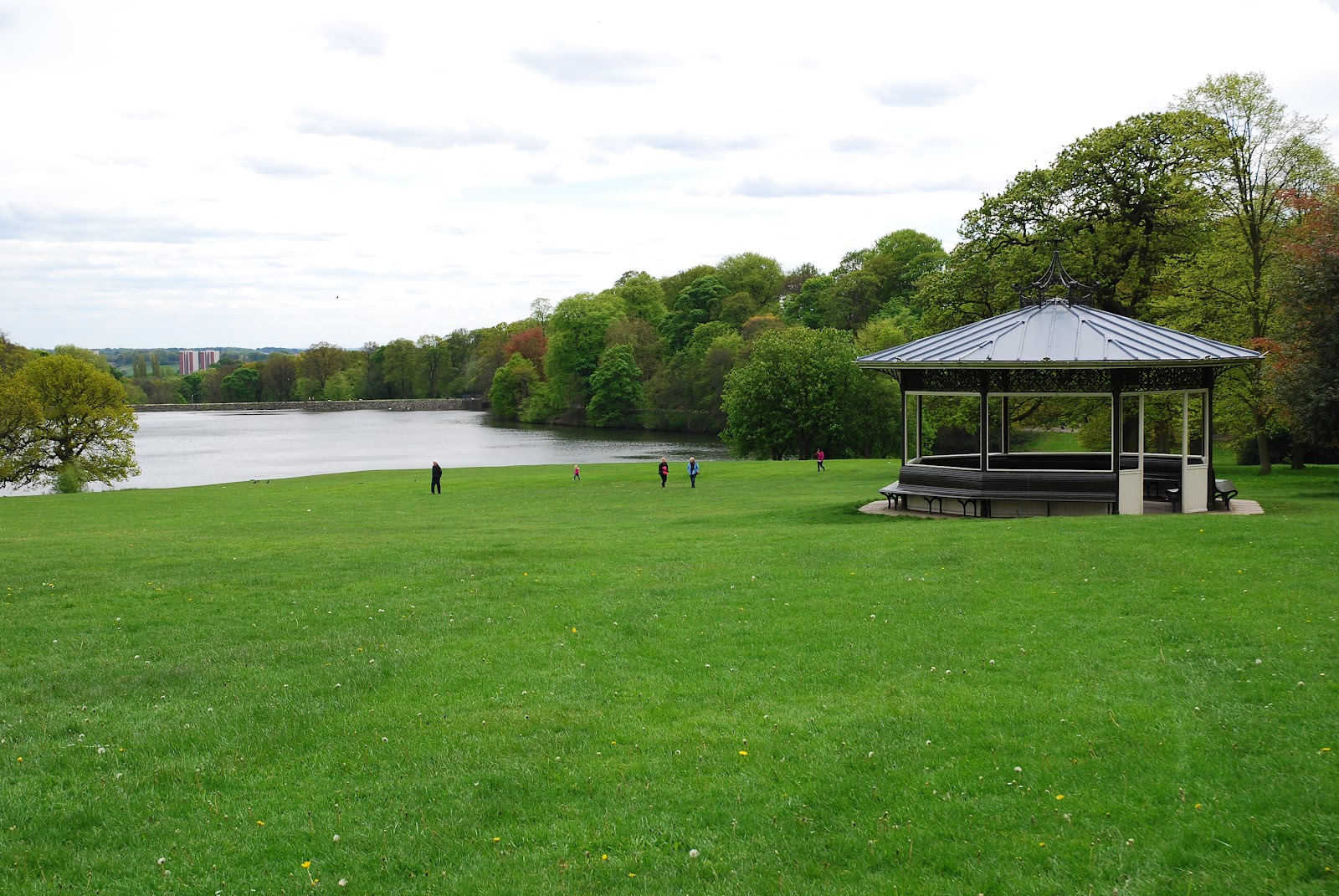
The pagoda clearly forms a point in this image of the lake at Roundhay. There is potentially another in the block of flats in front of the horizon.

In addition to these I took many others which clearly pick out points in a scene. They are not recorded here due to the deadly dullness of them...

Photography 1 - Elements of design - Project Points


There are two points in this image of Anna and the River Exe; the swan and the dog herself. I would argue that there is a third; that of the invisble thing they both appear to be observing.


In this image the single point is the swan swimming through the dawn mist.


Whilst the swans occupies most of the frame, the eye is drawn to the 'point' of its head under the water.


The reclaimed mill stone lies unusually at a point in the centre of the frame.


In this image of the central hall of the Melbourne Library, the lamp create a foreground point.


The Harley Davidson sits at the bottom of the woodland setting as the point in this image. 


The flag serves as a point in this farm setting.

In these images points can be seen as something that stands out within the context of the frame. The flag is incongruous in the rural setting; the motorcycle is out of place in a woodland; the round mill stone sits in a central location amongst many straight lines; the swans head is the only thing in the frame that is underwater.

Other drivers of points
  • Something distinct on a horizon
  • Something distinct in shape or colour that punctuated the image
  • Something showing movement in an otherwise static image
  • Something 'apart' in an image filled with the same
  • An unusual gesture in scene.
  • A distinct colour in a broader, common pallete.

Sydney Opera House serves as a point in this image due to its contrasting colour and shape against a uniformly blue background. There is a second point where the sign writing light aircraft has completed the first word of 'marry me' in the sky above.